
Quick Summary
Homeowners dealing with urban pollution and wildfire residue must understand that effective air duct sanitizing in Beverly Hills requires rigorous mechanical cleaning before applying any chemical treatments. Pure Air Duct Cleaners provides specialized solutions that pair source extraction with targeted, EPA-registered antimicrobial treatments to address persistent odors and microbial growth safely on non-porous surfaces. After reading, homeowners will understand when HVAC ductwork requires sanitization versus replacement and can schedule a free, no-obligation inspection and sanitizing estimate.
Air Duct Sanitizing in Beverly Hills: What Homeowners Need to Know
For homeowners in Beverly Hills and surrounding areas, environmental factors such as regional winds, seasonal wildfire smoke, and urban air pollution can contribute to dust and particulate accumulation in heating, ventilation, and air conditioning (HVAC) systems over time.[1]
When musty odors, visible dust, or suspected mold develop inside vents, air duct sanitizing is sometimes considered by specialists like Pure Air Duct Cleaners. However, sanitizing is not a simple aerosol spray fogged into a vent cover. Applied incorrectly, chemical treatments can negatively affect indoor air quality. Understanding the difference between mechanical source removal and targeted antimicrobial application helps homeowners make informed decisions about their HVAC systems.
How Professional Air Duct Sanitizing Works
Duct sanitization combines physical contaminant extraction with targeted, EPA-registered antimicrobial treatments. The U.S. Environmental Protection Agency (EPA) advises that duct cleaning and chemical treatments should only be performed on an as-needed basis, rather than as routine maintenance. Current evidence is insufficient to draw solid conclusions about whether duct cleaning or sanitizing improves health, air quality, cost savings, or HVAC performance. When contamination is addressed, the following represents general industry practice.[2]
Under general industry practice, physical cleaning must precede any chemical treatments: applying a disinfectant or biocide over dust and debris can create residue and release chemical vapors into living spaces. Physical cleaning must always happen first.
Step-by-Step Protocol (General Industry Practice)
- System Inspection: The technician inspects supply lines, return plenums, blower components, and coils to locate moisture, organic growth, and debris buildup.
- Negative Pressure Containment: A vacuum extraction unit connects to the ductwork, placing the system under negative pressure to collect dislodged debris.
- Mechanical Agitation and Source Removal: Mechanical brushes, air whips, or compressed air tools dislodge adhered dust and debris into the collection unit.
- Targeted Antimicrobial Treatment: If microbial growth or bacterial odors remain on solid, non-porous surfaces, an EPA-registered antimicrobial solution labeled specifically for HVAC systems may be applied. Any chemical treatment must follow the product label, and safety depends on the exact product used. Sanitizing is not a guaranteed fix for mold or odor problems, and porous mold-contaminated materials may need replacement.
- System Verification and Filter Replacement: Technicians inspect cleaned surfaces and replace air filters as part of system maintenance.
Wildfire Ash and HVAC Systems: Why Generic Aerosol Fogging Fails
Need air duct sanitizing in Beverly Hills?
We’re available now — call for a fast, free estimate.
Properties exposed to wildfire smoke can accumulate fine particulate matter inside ductwork and attic spaces. When drawn into HVAC systems, ash can settle onto duct surfaces and internal linings.
Aerosol chemical fogging without prior mechanical cleaning presents recognized issues according to industry practices:
- Chemical-Ash Sludge: Liquid biocides mixed with dry soot and dust can form a paste that coats duct interiors and restricts airflow rather than resolving contamination.
- Secondary Off-Gassing: Chemical treatments applied to uncleaned or porous surfaces can remain trapped in debris, releasing volatile compounds and chemical scents into living spaces.
General industry practice, as noted by Pure Air Duct Cleaners, emphasizes physically removing ash and debris before any EPA-registered antimicrobial treatment is considered, strictly following product label instructions.
What Does Air Duct Sanitizing Cost?
There is no verified Beverly Hills-specific pricing for air duct sanitizing. The EPA cites a general price range of $450 to $1,000 per system for professional air duct cleaning services.
Factors that generally influence total project cost include:
- Number of HVAC Systems and Zones: Properties with multiple air handlers or zones require separate setup and cleaning procedures for each system.
- Duct Material: Solid sheet metal ductwork requires different handling than flexible ducting or internally lined fiberglass duct board.
- Level of Contamination: Standard particulate removal involves different labor requirements than remediating heavy debris or moisture-related contamination.
- Accessibility: Complex layouts, high ceilings, and restricted attic configurations can increase labor requirements.
Air Duct Cleaning vs. EPA Sanitization
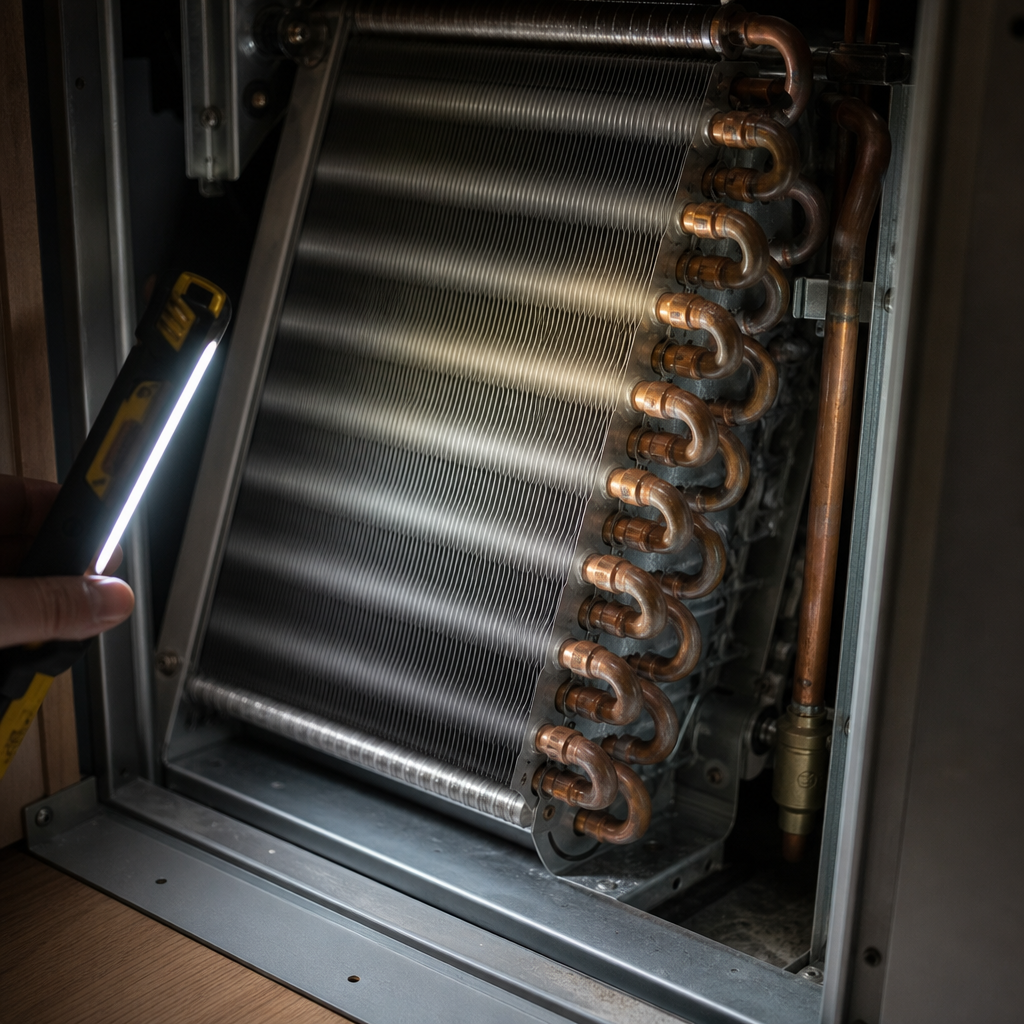
Homeowners often compare mechanical cleaning with chemical sanitizing treatments.
| Feature | Mechanical Air Duct Cleaning | EPA-Registered Sanitization |
|---|---|---|
| Core Focus | Physical removal of dust, pollen, pet dander, and soot | Application of antimicrobial products to non-porous surfaces (not a guaranteed fix for mold or odors) |
| Equipment and Methods | Vacuum collection systems, mechanical brushes, compressed air tools (general industry practice) | Direct spray or fogging applicators using EPA-registered products per label directions |
| When Considered | On an as-needed basis when visible debris or buildup is present | On an as-needed basis for verified contamination; porous mold-contaminated materials may need replacement |
| EPA Guidance and Evidence | Evidence is insufficient to draw solid conclusions about health, air quality, cost savings, or HVAC performance benefits | Must follow product label directions; safety depends on the exact product used |
When to Sanitize vs. When to Replace Your Ductwork
Need air duct sanitizing in Beverly Hills?
We’re available now — call for a fast, free estimate.
Sanitizing is only applicable to non-porous surfaces and is not a guaranteed fix for mold or odor problems. Porous mold-contaminated materials cannot be completely cleaned and may require replacement.
| System Condition | Recommended Action | Considerations |
|---|---|---|
| Dust, dander, and surface residue on intact sheet metal or sound flex duct | Mechanical source removal | Removes physical debris; evidence is insufficient to conclude lasting air quality or health outcomes |
| Mold embedded within internal fiberglass duct insulation or porous plenum boards | Replacement of porous, mold-contaminated materials | Porous materials with mold contamination cannot be safely or effectively sanitized and require replacement |
| Damaged outer vapor barrier, crushed flex runs, or disconnected attic fittings | Duct repair, sealing, or replacement | Addresses physical damage and air leaks directly |
Protecting System Components
Modern HVAC systems contain sensitive components such as aluminum coils, electronic expansion valves, and variable-speed blower assemblies.
Improper chemical application can corrode metal surfaces or damage electronic controls. Any chemical treatment must follow the product label, and safety depends on the exact product used.
Recommended ongoing HVAC maintenance from teams like Pure Air Duct Cleaners consists of yearly HVAC inspections, regular filter changes, and moisture prevention to keep systems operating properly and prevent biological growth.[4]
Frequently Asked Questions
How much does air duct sanitizing cost in Beverly Hills?
There is no verified Beverly Hills-specific pricing for air duct sanitizing. The EPA cites a general range of $450 to $1,000 per system for air duct cleaning.
What is the difference between air duct cleaning and air duct sanitizing?
Air duct cleaning is the physical removal of dust and particulate matter from duct components. Sanitizing is the application of an EPA-registered antimicrobial solution to non-porous surfaces. Sanitizing is not a guaranteed fix for mold or odor problems, and evidence is insufficient to conclude that sanitizing delivers health, air quality, or HVAC performance benefits.
Is air duct sanitization safe for pets and children?
Safety depends on the exact product used. Any chemical treatment must strictly follow the product label instructions, including application methods, occupancy precautions, and recommended ventilation periods.
How often should HVAC ducts be sanitized?
Chemical sanitizing should only be performed on an as-needed basis when verified contamination is present, rather than as routine maintenance. Routine HVAC maintenance should focus on yearly HVAC inspections, regular filter changes, and moisture prevention.[5]
Does duct sanitizing eliminate mold, odors, and bacteria?
Duct sanitizing is not a guaranteed fix for mold or odor problems. Chemical treatments cannot permanently resolve mold if underlying moisture sources remain uncorrected. Additionally, porous mold-contaminated materials (such as fiberglass duct board or internal insulation) cannot be sanitized effectively and may need replacement.
How long does a professional air duct cleaning service take?
In general industry practice, service times vary widely based on home size, the number of HVAC systems, duct accessibility, and the level of contamination present.
What does scientific research say about duct cleaning health claims?
Research indicates that evidence is insufficient to draw solid conclusions about positive impacts of ventilation duct cleaning or sanitizing on indoor air quality, health, cost savings, or HVAC performance. Local air quality data does not prove duct sanitizing benefits. Maintenance decisions should be based on yearly HVAC inspections, regular filter changes, and moisture prevention.[3]
If you suspect contamination or moisture issues in your HVAC system, schedule an inspection with a qualified professional like Pure Air Duct Cleaners who adheres to EPA guidelines, follows chemical product labels, and emphasizes mechanical source removal and moisture control.
Need air duct sanitizing in Beverly Hills?
We’re available now — call for a fast, free estimate.
Sources
- Historical Data by Year – Air Quality – aqmd.gov (2023)
- [PDF] DOHS Fact Sheet On HVAC Duct Cleaning – ORS – ors.od.nih.gov (2010)
- Effectiveness of HVAC duct cleaning procedures in improving indoor … – pubmed.ncbi.nlm.nih.gov (2001)
- Los Angeles Basin's air quality transformation: a long-term … – pmc.ncbi.nlm.nih.gov
- [PDF] Should You Have the Air Ducts in Your Home Cleaned? – EPA – epa.gov
Frequently Asked Questions
Do I need to vacate my Beverly Hills home during an air duct sanitizing treatment?
Pure Air Duct Cleaners recommends remaining out of the immediate treatment area during antimicrobial application and allowing the HVAC system to ventilate per product label directions. Our owner-operated technicians utilize negative pressure containment to ensure treatments remain contained within the ductwork without dispersing into living areas.
Can air duct sanitizing completely remove persistent wildfire smoke smells?
Sanitizing effectively neutralizes odors on non-porous metal surfaces only after physical ash and soot are thoroughly extracted. Pure Air Duct Cleaners pairs source removal with hospital-grade antimicrobial applications to eliminate odor-causing residue at the source without creating chemical sludge.
How can I tell if my Beverly Hills ductwork can be sanitized or must be replaced?
A thorough physical assessment is required to determine if your ductwork is rigid sheet metal or porous fiberglass duct board with internal moisture damage. You can schedule a free, no-obligation inspection and air duct sanitizing estimate with Pure Air Duct Cleaners to evaluate your system's material and contamination level.
About the author
 |
Sarah Jenkins Sarah is a certified HVAC technician and indoor air quality specialist with over a decade of experience serving the Los Angeles area. She holds a B.S. in Environmental Science from UCLA and has dedicated her career to educating homeowners on the importance of duct maintenance and system efficiency. Her writing focuses on practical, cost-effective solutions for improving residential air quality and extending the life of HVAC systems. |
Dusty vents or weak airflow at home?
We’re available now — call for a fast, free estimate.
Call Now - Free Estimate